
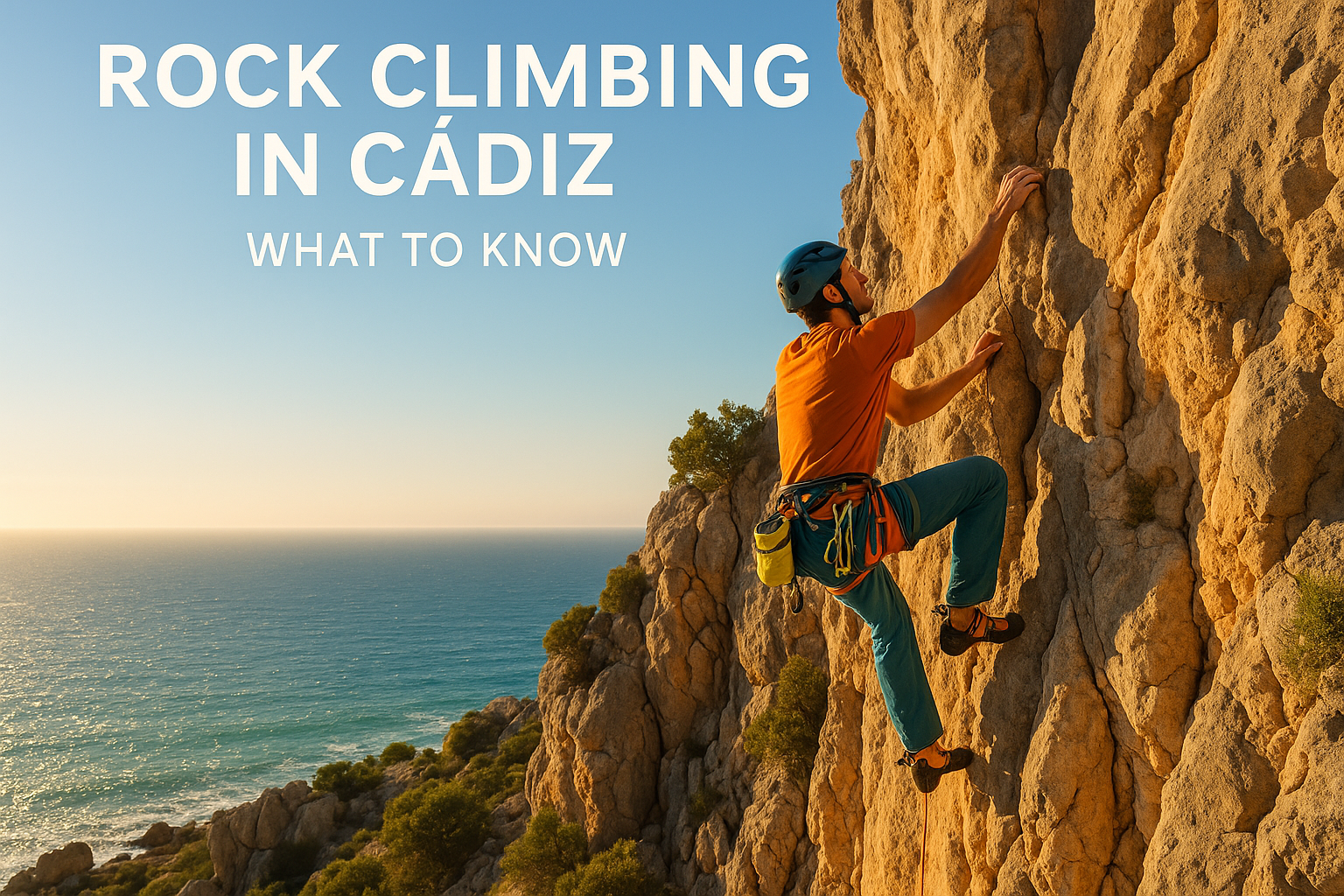
Cádiz is a standout spot for rock climbing in Spain, offering sandstone and limestone crags, routes for all skill levels, and year-round climbing potential. Key areas include San Bartolo, with over 250 routes, and Grazalema, featuring multi-pitch climbs up to 230 meters. The Mediterranean climate makes October to April the best time to climb, avoiding summer heat. For a mix of climbing and relaxation, Conil de la Frontera combines crags with stunning beaches and vibrant local culture.
Key Highlights:
- Top Spots: San Bartolo (sandstone), Benaocaz (limestone), Grazalema, and El Gastor (multi-pitch).
- Skill Levels: Routes range from beginner-friendly (3–4 grades) to advanced (7a–8a).
- Best Seasons: Spring and autumn offer mild weather; winter is also an option on south-facing walls.
- Gear Tips: Bring a 60–70m rope, quickdraws, helmet, and water.
- Relaxation: Conil offers beaches, historic streets, and excellent local food.
Whether you're scaling San Bartolo’s sandstone or tackling Grazalema’s challenging multi-pitches, Cádiz offers a perfect mix of adventure and leisure.
Iniciación a la Escalada en Roca cerca de las Playas de Bolonia, Cádiz
Best Rock Climbing Areas in Cádiz Province
Cádiz Province is a haven for rock climbing enthusiasts, offering a variety of terrains, from the sandstone cliffs of San Bartolo to the towering limestone walls of Grazalema and El Gastor. Whether you're a beginner or an experienced climber, there's something here for everyone.
San Bartolo
San Bartolo stands out as the crown jewel of Cádiz climbing spots. With over 250 routes spread across two main sectors - Zona de Arriba and Tajo del Buho - this sandstone paradise caters to climbers of all skill levels. Routes range from grade 3 to 8a, with options for both single-pitch and multi-pitch climbing. Some routes extend up to an impressive 80 meters, offering challenges for seasoned climbers while providing a welcoming space for those new to outdoor climbing. Both sport and traditional climbing opportunities are available, making it a versatile destination for all kinds of climbers.
Benaocaz
Benaocaz offers a completely different vibe with its limestone crags and bolted sport routes. Home to over 100 routes (and some reports suggesting up to 256), this area is divided into three distinct sectors. Most routes fall between grades F5 and F7a, making it ideal for intermediate climbers, but beginners will also find gems like the "Corner" route, rated 4+. The use of the French grading system ensures clarity for climbers navigating the area. For those looking to step up their game, the scenic multi-pitch challenges in Grazalema and El Gastor are just a short trip away.
Grazalema and El Gastor
For climbers seeking endurance-testing, long routes, Grazalema and El Gastor deliver in spades. Grazalema's Peñón Grande features multi-pitch routes reaching up to 230 meters, while El Gastor boasts even longer climbs, ranging from 240 to 260 meters. These limestone walls demand solid multi-pitch techniques and a good deal of stamina, making them ideal for experienced climbers looking for a rewarding adventure.
| Crag Name | Rock Type | Route Style | Maximum Length |
|---|---|---|---|
| San Bartolo | Sandstone | Single & Multi-pitch | 80 m |
| Benaocaz | Limestone | Single-pitch | Varies |
| Grazalema | Limestone | Multi-pitch | 230 m |
| El Gastor | Limestone | Multi-pitch | 260 m |
Other Climbing Areas
Beyond these highlights, Cádiz Province is brimming with other climbing spots worth exploring. Montejaque offers a mix of single-pitch and multi-pitch limestone routes, while Villaluenga and La Muela add even more variety to the region's climbing scene. For a comprehensive overview, the "Cádiz rock climbing guidebook" and "Escalar en Cádiz" provide detailed information on 17 climbing areas stretching from Tarifa to Olvera.
Climbing Styles and Route Types
The province of Cádiz offers climbing opportunities that cater to every skill level. Each rock formation presents its own set of challenges and rewards, making it a destination worth exploring for climbers of all abilities.
Single-Pitch and Multi-Pitch Routes
If you're looking for single-pitch routes, Benaocaz is a great place to start, with over 100 bolted routes that focus on movement and technique. On the other hand, San Bartolo is known for its versatility, offering both single-pitch and multi-pitch climbs. Routes here span from grades 3 to 8a and vary in length from 15 to 80 metres, making it a hotspot for climbers of all levels. For those seeking a more demanding experience, Grazalema offers multi-pitch routes that require strong rope management, efficient belaying, and plenty of stamina. This variety naturally ties into the grade ranges that help climbers track their progress and set new goals.
Grade Ranges and Route Styles
San Bartolo stands out as a destination for climbers looking to progress, with routes that cater to everyone - from beginners to seasoned experts.
If you're just starting out, you'll find plenty of confidence-boosting climbs in the 3–4 grade range at both San Bartolo and Benaocaz. Intermediate climbers, meanwhile, can enjoy a variety of routes, with Benaocaz offering many options between F5 and F7a. For advanced climbers, San Bartolo offers challenging routes in the 7a+ to 8a range, while Grazalema and El Gastor provide demanding multi-pitch lines that test endurance and technique.
| Skill Level | Recommended Areas | Grade Range | Route Length |
|---|---|---|---|
| Beginner | San Bartolo, Benaocaz | 3–4+ | 15–30m |
| Intermediate | Benaocaz, San Bartolo | F5–F7a | 20–50m |
| Advanced | San Bartolo, Grazalema, El Gastor | 7a+–8a | 30–230m |
Best Times to Climb
Choosing the right time to climb in Cádiz can greatly enhance your experience. The region's Mediterranean climate offers distinct seasonal windows, which can influence both route selection and climbing conditions.
Spring and autumn (March to May and September to November) are ideal for climbing, with mild temperatures and stable weather. These seasons are perfect for tackling longer multi-pitch routes at Grazalema or El Gastor.
In summer, limestone crags like Benaocaz are best climbed early in the morning or late in the evening to avoid the intense midday heat. San Bartolo, with its sandstone formations, tends to stay cooler for longer, making it a good choice for extended climbs even during the hotter months.
Winter climbing is also an option in Cádiz. South-facing walls that catch the winter sun can provide comfortable conditions, and the region's mild winters rarely disrupt climbing plans.
Recognising the year-round climbing potential, companies like Girasol Adventure offer tailored packages for all skill levels, ranging from beginner sessions to intensive, multi-day courses.
sbb-itb-16ae2e6
Planning Your Climbing Trip
To make your climbing adventure in Cádiz a success, it’s essential to have the right resources and understand local safety protocols. With a variety of climbing spots, each offering its own challenges, careful preparation is key.
Guidebooks and Maps
If you’re looking for a detailed guide to climbing in Cádiz, the "Cádiz Rock Climbing Guidebook" (also known as "Escalar en Cádiz") is your go-to resource. This guide covers 12 climbing areas, including popular spots like San Bartolo, Benaocaz, Grazalema, and Montejaque. Published in 2017, it’s available for €35,95 through Climb Europe and includes everything from single-pitch climbs to 260-meter multi-pitch routes. The guide also features GPS parking coordinates and color-coded topos to help you navigate, and while it’s written in Spanish, its universal symbols make it useful for climbers from all over.
For those venturing beyond Cádiz, the "Andalucía Rock Climbing Guidebook" provides a broader overview of the region, though it only includes three areas in Cádiz: San Bartolo, Benaocaz, and Grazalema. Another option is a guide also titled "Escalar en Cádiz", priced at €32,00, which details 17 climbing locations from Tarifa to Olvera.
Once you’ve secured a reliable guidebook, turn your attention to safety and preparation.
Safety and Rules
Climbing in Cádiz demands a focus on safety and personal responsibility. Mountain weather can shift quickly, so it’s wise to check local forecasts before heading out [15,16]. Your equipment should meet UIAA safety standards - this includes ropes, harnesses, and helmets. Always wear a helmet, double-check your anchors and knots, and ensure your harness is secure.
Keep in mind that mobile phone coverage can be spotty in remote areas, so be prepared for self-rescue scenarios. Stay on designated paths to minimize your impact on the environment, and be aware of seasonal restrictions aimed at protecting local wildlife [14,16].
What to Bring
Packing the right gear is essential for tackling Cádiz’s climbing routes. For San Bartolo, where routes can reach up to 75 meters, and for multi-pitch climbs in Grazalema that extend up to 230 meters, a 60–70-meter dynamic rope is recommended. Bring 12–15 quickdraws, along with extra slings and carabiners, as the limestone can be quite abrasive.
Other essentials include a helmet, approach shoes, sun protection, and 2–3 liters of water per person. For longer climbs or multi-pitch routes, pack a first aid kit, an emergency whistle, and a headtorch.
Getting to the Crags
Once your gear is ready and safety checks are complete, plan your approach to the climbing areas. Access varies depending on the location. For example, San Bartolo offers convenient parking with GPS-coordinated spots, while Benaocaz requires a short drive followed by a walk along marked trails. If you’re heading to Grazalema or El Gastor within the Sierra de Grazalema Natural Park, expect longer approaches. To make the most of your day, aim to arrive early, especially during busy seasons.
Rock Climbing and Conil Tourism
For climbers wrapping up a day on the crags, Conil de la Frontera offers the perfect mix of relaxation and exploration. This charming coastal town, with its stunning scenery, rich history, and mouthwatering cuisine, is an ideal spot to unwind and extend your adventure beyond the cliffs.
Adventure Trip Ideas in Conil
Conil’s beaches are a fantastic way to recharge after climbing. Playa de la Fontanilla offers rugged beauty, perfect for stretching out sore muscles. Playa de Los Bateles, with its lively promenade, is great for socializing and soaking in the local vibe. For something different, Playa de Castilnovo combines golden dunes with surf-ready waves, offering a new kind of thrill. If you’re up for a bit more activity, the Calas de Roche trail is ideal for hiking or cycling along the coast while enjoying breathtaking views.
"Great long and wide sandy beach. It wasn't busy on my visit so plenty of space." – LenA
"What a stunning beach in a little cove, so beautiful and unblemished." – Chris_Norris
For families, Entre Ramas Aventura is a hit, featuring zip lines and obstacle courses starting at just €13. Back in August 2019, the Fiona H family had a blast exploring courses suitable for all ages:
"Fantastic family outing with teens... Myself, husband and three teens were able to enjoy various courses – rare to find something we can all do together these days!"
The town’s old quarter is steeped in history, with narrow streets and whitewashed houses evoking its Andalusian charm. A climb up the Torre de Guzmán, a 14th-century tower, rewards visitors with panoramic views of the coastline. Afterward, Plaza de España is a lovely spot to relax and reflect on the day’s adventures.
Food and Places to Stay
Conil has plenty of accommodation options to suit climbers and adventurers alike. Hipotels Gran Conil is a popular choice, known for its beachfront location and comfortable rooms. Similarly, Hotel Fuerte Conil-Resort is praised for its excellent amenities, delicious food, and friendly service.
For a boutique experience, Alzocaire Boutique boasts a 9.8/10 rating, loved for its cozy atmosphere, attentive staff, and prime location. If you’re seeking a more refined stay, DAIA Slow Beach Hotel Conil – Adults Recommended offers a peaceful retreat with a focus on ambiance and exceptional dining.
For something modern yet rooted in Andalusian tradition, Conil Home Suites, designed by KAUH architects, features stylish studios and apartments around a sunlit patio and rooftop terrace. Budget-conscious travelers will find comfort and value at Hostal Lojo, Hotel Antonio Conil, or Hostal Campito.
When it comes to food, Conil delivers. La Azotea de la Mejorana Restaurant specializes in creative bluefin tuna dishes. For fresh seafood with ocean views, Francisco Fontanilla is a must-visit. If you’re in the mood for something casual, Olé Tapas Restaurant serves up delicious, affordable tapas, while Chiringuito El Bernabeu, El Yacht Club, and Restaurant La Fontanilla offer a variety of dining experiences to suit all tastes and budgets.
Other Things to Do Nearby
Conil isn’t just about climbing and beaches. The Museo Raíces Conileñas offers a glimpse into the town’s history, while surfing schools provide lessons for those eager to ride the waves. The combination of climbing and surfing makes for a dynamic adventure, blending the best of Cádiz’s inland cliffs and coastal waters.
If you’re up for a short drive, nearby destinations like Vejer de la Frontera and Cádiz add even more depth to your trip, with their mix of history, nature, and local charm. For those seeking more outdoor thrills, Tarifa offers excellent surfing conditions and other nature-based activities.
In February 2025, a beginner family took their climbing adventure to the next level with a session at Girasol Adventure near Facinas, Cádiz. Guided by Chris, they tackled routes suited for all skill levels and even added birdwatching to their itinerary, showcasing how climbing can seamlessly connect with Conil’s diverse natural experiences.
For more ideas and detailed guides, visit What to Do in Conil, a great resource to help you balance climbing challenges with everything this vibrant region has to offer.
Conclusion
Cádiz province shines as a standout destination for rock climbing in Spain, boasting an impressive mix of single-pitch and multi-pitch routes carved into sandstone and limestone formations. With options ranging from beginner-friendly climbs to demanding multi-pitch challenges, and a Mediterranean climate to top it off, Cádiz caters to climbers of all levels.
The region’s climbing diversity makes it accessible year-round, though summer's high temperatures can pose a challenge. Thanks to varied crag orientations, climbers can still find shaded spots to enjoy routes that range from grade 3 for beginners to tough 8a ascents.
What sets Cádiz apart is its ability to combine thrilling climbs with coastal relaxation, particularly in places like Conil de la Frontera. After tackling the crags, climbers can unwind on pristine beaches, explore charming historic streets, and indulge in the region's renowned cuisine.
This perfect blend of technical climbing and coastal leisure defines the Cádiz experience. Whether you're drawn to the multi-pitch challenges of Grazalema or the bolted sport climbs of Benaocaz, the region offers unforgettable adventures both on and off the rock. For planning tips and local insights, check out What to Do in Conil to make the most of your Andalusian climbing getaway.
FAQs
For an enjoyable and safe rock climbing adventure in Cádiz, having the right gear is non-negotiable. Your essentials should include a climbing harness, climbing shoes, chalk, a helmet, a belay device, locking carabiners, quickdraws, and ropes.
Planning to visit multiple climbing spots in the region? It's smart to check the specific gear recommendations for each location, as some routes might require additional equipment. And don’t forget - your safety comes first! Always inspect your gear to ensure it’s in top condition before you tackle those cliffs.
The climate in Cádiz is defined by pleasantly mild winters and scorching summers, which makes spring (March-May) and autumn (September-November) the prime seasons for rock climbing. These periods bring more comfortable temperatures and typically steady weather, creating ideal conditions for outdoor adventures.
Summers, though intense with heat, might still offer climbing opportunities during the early morning or late evening hours when the temperatures are slightly more forgiving. Winters, meanwhile, bring cooler yet mild conditions, appealing to those who prefer climbing without the intensity of summer heat.
San Bartolo boasts a wide range of sport climbing routes, with grades spanning from 5c to 7c. The climbs here are typically technical, making it an excellent destination for climbers of various skill levels. If you're looking to mix things up, you'll also come across a handful of trad climbing routes, which add a touch of diversity to your climbing adventures.
Meanwhile, Grazalema stands out for its steep and demanding climbs, with grades ranging from 6a to 8b. The area features dramatic limestone walls and slabs, offering options for both single-pitch and multi-pitch routes. This spot is ideal for experienced climbers who are in search of a more intense and challenging experience.