
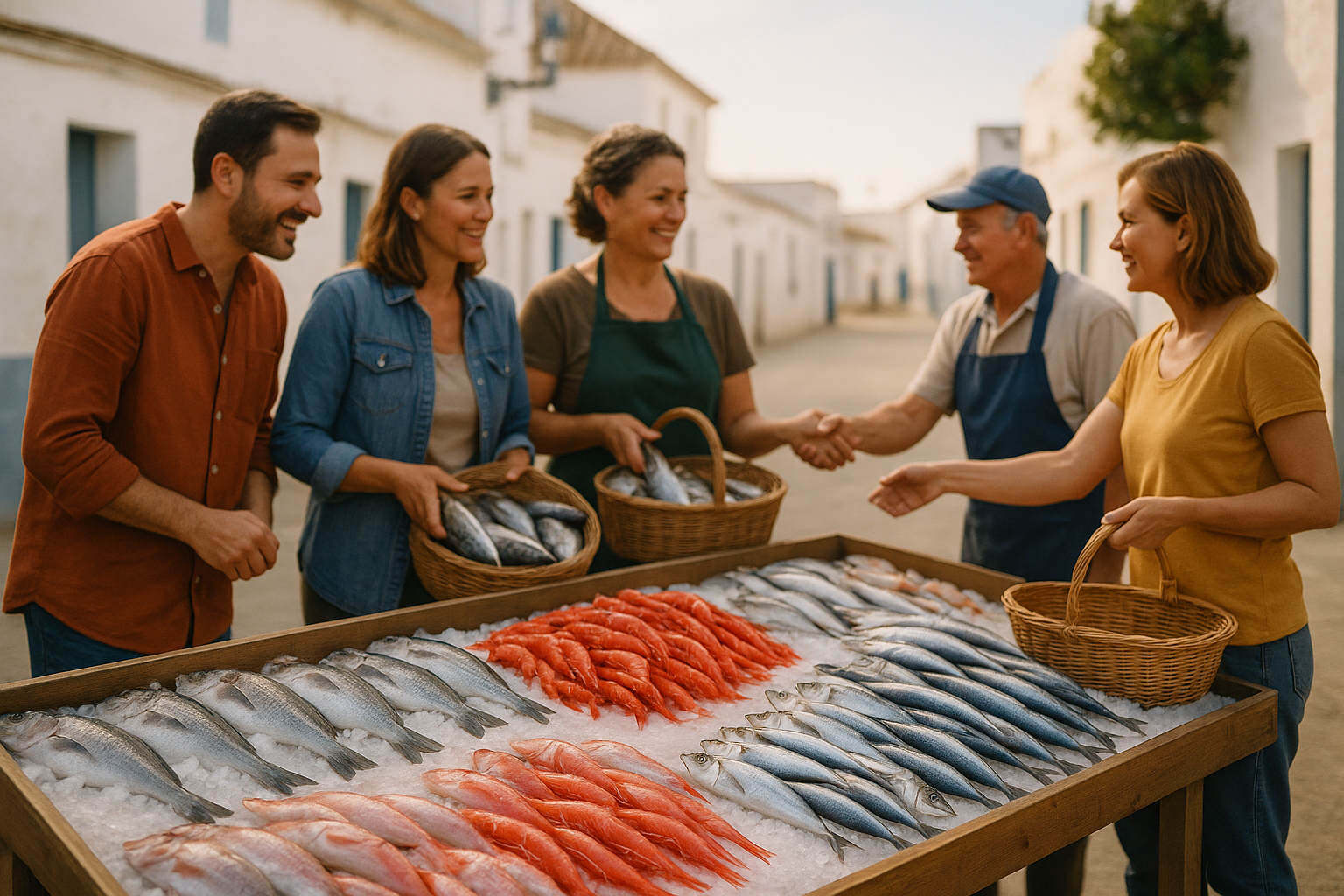
Looking for the freshest seafood in Conil de la Frontera? The Mercado de Abastos is the go-to spot, offering high-quality fish and shellfish straight from the Atlantic. Here’s what you need to know:
- What to Buy: Local favorites include bluefin tuna (almadraba), sardines, sea bass, prawns, cuttlefish, and even sea urchins.
- When to Visit: Open Tuesday to Saturday, 9:00–14:00. Arrive early for the best selection.
- Authentic Experience: Vendors share cooking tips and seasonal recommendations, giving you a taste of local fishing traditions.
- Storage Tips: Bring a cooler to keep your seafood fresh, especially during warm weather.
Whether you’re cooking at home or exploring Conil’s cuisine, this market connects you to the town’s fishing heritage and vibrant food culture.
🔴Noticia - Los pescadores de Cádiz, desesperados por la invasión de algas
What to Buy at Conil Fish Market
The fish market at Cabo Roche port is a treasure trove of Atlantic seafood, reflecting Conil's deep-rooted fishing traditions. Since 1997, the auction system has ensured that the fish you find here arrives fresh from local boats, is carefully classified, labeled, and sold the very same day [3]. Here's a closer look at the daily catches and the standout regional specialties you can expect.
Common Local Fish and Seafood
The market is brimming with a variety of fish caught daily, including mako (dogfish), mackerel, anchovies, sardines, snapper, sea bass, sole, and the locally loved mojarra caletera (bream). You’ll also find tapaculos (cockerels) and sorrel among the fresh offerings.
For shellfish lovers, the selection includes Sanlúcar de Barrameda prawns, celebrated across Andalusia for their sweetness, alongside shrimps, carabineros, langoustines, cañadillas, oysters, burgaillos, and muergos (razor clams). If cephalopods are your thing, keep an eye out for cuttlefish and octopus, the latter traditionally caught using ceramic tools known as "alcatruces" or "pulperas".
For those with adventurous tastes, the market also offers sea urchins and ortiguillas (small sea anemones), showcasing the incredible diversity of the local waters. Thanks to artisanal fishing methods, the freshness and quality are second to none [3].
Special Products and Regional Items
Beyond the everyday catch, the market is famous for its specialty products. One standout is the almadraba bluefin tuna, caught using traditional methods during its migration through the Strait of Gibraltar, typically between April and May. This tuna is so prized for its quality that up to 90% of it is sold to Japan, where it can fetch prices exceeding €500 per kilogram for sushi-grade cuts [5].
Locally, you can purchase various cuts of bluefin tuna, including ventresca (belly), morrillo (neck), heart, spine, and sirloin, all perfect for dishes like grilled tuna, tartar, or tataki [5].
The market also highlights regional gems such as urta, borriquete, and bocinegro, fish rarely found beyond this coastal region [6]. Additionally, you can find preserved delicacies like Caballa de Andalucía, mackerel fillets prepared using traditional methods, and Cantabrian anchovies, available from March to June, offering a seasonal treat for those seeking premium preserved fish [7].
When to Visit the Fish Market
Timing your trip to Conil's fish market is key if you want to snag the freshest catch of the day. By understanding the market's schedule and when locals tend to shop, you can make the most of your visit.
Opening Hours and Best Days to Go
The Mercado de Abastos operates from Tuesday to Saturday, opening its doors at 9:00 AM and closing at 2:00 PM. It's closed on Sundays and Mondays [1]. This schedule aligns with the local habit of shopping for fresh ingredients in the morning. If you're visiting during the busy tourist season, showing up right when the market opens is a smart move. You'll avoid the crowds and have first pick of the day's offerings. Plus, since the market is in the commercial hub known as "la bodega," you can conveniently combine your seafood shopping with other errands [4].
Securing the Freshest Seafood
To get the absolute freshest seafood, plan to arrive early. Vendors stock their stalls with the morning's haul straight from local fishing boats, so the earlier you are, the better your selection will be.
sbb-itb-16ae2e6
How to Buy and Enjoy Seafood
Once you’ve explored the market in Conil, the next step is learning how to pick and prepare your seafood. It’s not just about arriving early - it’s about knowing what to look for, how to interact with vendors, and how to make the most of your purchase once you’re back in the kitchen.
Picking Fresh Fish
Choosing fresh fish is easier than it might seem when you know the signs. Start by looking at the eyes - they should be large, shiny, and clear. In Spanish markets, fish are typically displayed whole, with heads and tails intact, making it straightforward to check their quality at a glance [8].
Keep an eye out for the Cofradía de Pescadores logo, which guarantees the fish was caught by local boats [9]. Many vendors also label their fish as fresco (fresh) or descongelado (previously frozen), so you know exactly what you’re getting [9].
For the freshest options, look for stalls showcasing "Peix de Llotja", which means the fish was purchased directly at auction [10]. If you’re unsure where to start, ask locals for recommendations - they often know the best vendors [10].
Talking with Vendors
One of the joys of Spanish fish markets is the personal interaction with fishmongers. They’re known for their straightforward and attentive service [8]. When ordering, use clear phrases like "quiero" (I want) to indicate what you’d like [8]. If you need advice, ask something like, "¿Qué pescado recomienda para hacer una sopa?" (What fish do you recommend for making soup?) [8].
If you’re unsure about quantities or specific types of fish, let your eyes guide you and ask for suggestions. Fishmongers are often happy to recommend simple recipes, making them invaluable allies in your seafood journey [8].
Cooking and Restaurant Options
Once you’ve brought your seafood home, the best way to enjoy it is by keeping things simple to let the natural flavors shine. Conil’s coastal cuisine is all about highlighting the freshness of the catch.
For a classic dish, try pescaito frito: clean the fish, season it with salt, deep-fry it in olive oil, and serve with a wedge of lemon [14]. If you’ve picked up prawns, prepare gambas al pil pil by cooking them in a terracotta dish with garlic, Spanish paprika, and olive oil. Serve them sizzling hot with some crusty bread for dipping [14].
Another local favorite is atún encebollado (tuna with onions), but be sure to choose a high-quality cut of tuna for the best flavor [2]. For something a bit more refined, make tartar de atún. Use previously frozen tuna for safety, cut it into small cubes, and mix with soy sauce, wasabi, ginger, and chives [11].
If you’re feeling adventurous, try cazón en adobo (marinated dogfish). Marinate cubed dogfish in a mix of vinegar, water, oregano, smoked paprika, cumin, and garlic, then fry it up. This dish, also called bienmesabe, is a local specialty in Conil de la Frontera [13][14].
For a true Andalusian experience, nothing beats espetos. Spear fresh sardines onto a long stick and grill them over a beachside fire. It’s a simple yet iconic way to savor the region’s seafood while soaking in the coastal atmosphere [12].
Market Information and Local Customs
Once you've picked out and purchased your seafood, knowing how to handle payment, storage, and local customs is key to keeping your haul fresh and ready to enjoy.
Payment and Prices
At Conil's fish market, especially the Mercado de Abastos, many sellers prefer cash over cards, so it’s a good idea to carry enough euros with you [4]. Having coins and smaller notes can also make transactions smoother and quicker.
Seafood prices are generally listed per kilogram and depend on wholesale market rates across Spain. These rates trickle down through the supply chain, influencing the prices you see at the market [15]. While prices are largely dictated by the market, you might be able to negotiate - especially if you're buying in bulk. Once you've paid, proper storage is critical to maintaining the quality of your seafood.
Keeping Seafood Fresh
Spain’s warm weather can be tough on seafood, so transporting it properly is essential. Make seafood the last stop on your shopping trip and bring a cooler to keep it chilled until you get home [16]. Ideally, seafood should be stored close to 0°C and consumed within two days. Even a slight temperature increase to 4°C can cut its shelf life in half [18].
For whole fish, pack them on ice in the fridge. Fillets and steaks should be sealed in plastic bags or containers, then placed on ice in a pan [16]. If you're planning a beach picnic, keep your seafood in a cooler with ice packs, place it in the shade, and avoid opening the lid too often [17].
If you need to store seafood for longer, wrap it tightly in moisture-proof bags or plastic wrap, then add a layer of aluminum foil before freezing [16]. Live shellfish like mussels, clams, and oysters should be kept in a dry, shallow pan covered with damp paper towels and refrigerated [16].
Market Etiquette and Customs
Spanish fish markets have their own rhythm, reflecting the local way of life. Vendors value directness and patience, so take your time inspecting the fish, asking questions, and considering your options. There’s no rush - fishmongers are often more than willing to share cooking tips or recommend the best catch for your dish.
When handling seafood at home, cleanliness is essential. Wash your hands, keep your workspace tidy, and use separate cutting boards for raw seafood to avoid cross-contamination [16]. Cutting boards made from plastic, acrylic, or rubber are particularly easy to clean [16].
Engage with the vendors - they're a wealth of knowledge about local fishing traditions and which seafood is in season. And once you’ve made your purchase, ensure your seafood is on ice or in the fridge within two hours. If it’s a particularly hot day, with temperatures around 32°C (90°F) or more, aim to refrigerate it within an hour [17]. Keeping an eye on timing and temperature ensures your seafood stays as fresh as when you bought it.
Conclusion
Conil Fish Market is a true reflection of Andalusian coastal life, where fresh seafood meets cherished traditions. The Mercado de Abastos offers more than just a place to shop - it’s an experience that immerses visitors in the local way of life. If you're looking for good value, the tuna is a standout choice, often prepared by vendors for you to cook at home [1].
Open from Tuesday to Saturday, between 09:00 and 14:00, the market is conveniently accessible for visitors [1]. Inside the covered market hall, you'll find not only seafood but also a variety of stalls selling fruit, vegetables, and meat. It's a hub of activity that encapsulates Conil's rich culinary traditions [4].
Whether you're picking out the freshest catch, picking up tips on seafood storage, or simply soaking in the vibrant atmosphere, the market offers a direct connection to Conil's fishing roots. The knowledgeable vendors add a personal touch, making your visit even more memorable.
For those planning to explore more of Conil’s charm - from its stunning beaches to its cultural landmarks and dining options - check out What to Do in Conil. The site provides a comprehensive guide to ensure your visit to this Andalusian gem is as enriching as possible.
FAQs
The best time to explore the Conil Fish Market is in the morning, from Tuesday to Saturday, usually between 8:00 and 12:00. This is when the freshest seafood arrives, often delivered straight from the fishing boats, guaranteeing top-notch quality.
To soak in the lively atmosphere and snag the finest selection, it’s worth arriving early. You'll find local favourites like atún rojo (bluefin tuna), dorada (gilt-head bream), and langostinos (prawns), all at their freshest.
To keep your seafood fresh after picking it up at Conil's fish market, here’s what you should do:
-
Keep it cool: Make seafood the last stop on your market trip. Bring along a cooler with ice or ice packs to keep it chilled during the journey home. Once there, store it in the coldest part of your fridge, ideally at 0°C.
-
Store it the right way: For whole fish, lay it on a tray filled with ice and cover it. For fillets, use airtight containers or bags, ensuring they’re surrounded by ice. Don’t forget to drain and replace the ice as it melts.
-
Use it quickly: To enjoy the best flavour and quality, aim to cook and eat your seafood within 1–2 days of buying it.
These simple steps will help keep your seafood fresh and ready for a delicious meal!
Seafood from the Conil Fish Market offers endless possibilities for creating mouthwatering dishes that showcase its freshness and the rich flavours of the region. One classic choice is Baked Bream (Dorada al Horno), a dish where the fish is simply dressed with olive oil, garlic, parsley, and lemon before being baked to tender perfection. This straightforward preparation highlights the natural taste of the fish and is a staple in Spanish kitchens.
If you're in the mood for a celebratory meal, a Seafood Paella is an excellent choice. This iconic Spanish favourite combines saffron-infused rice with prawns, clams, squid, and an assortment of other fresh seafood. It’s a dish meant for sharing, making it ideal for family gatherings or festive occasions. For a lighter option, Tuna Tartare is a refreshing starter that blends raw tuna with creamy avocado, a drizzle of olive oil, and a hint of citrus, creating a dish that’s both elegant and satisfying.
Each of these preparations reflects the culinary heritage of the region while making the most of the market's exceptional seafood. For the perfect finishing touch, enjoy your meal with a chilled glass of local white wine - it’s the Andalusian way!